I Tried DIY Soundproofing to Stop One-Star Reviews—Here’s What Actually Works
If you are trying to block out street noise or shared-wall chatter in your rental, do not rely on peel-and-stick acoustic foam. Unless you are treating a recording studio, these visual upgrades fail. I ended up pulling them down to focus on heavy curtains and solid doors instead.
Why I bought it (context + expectation)
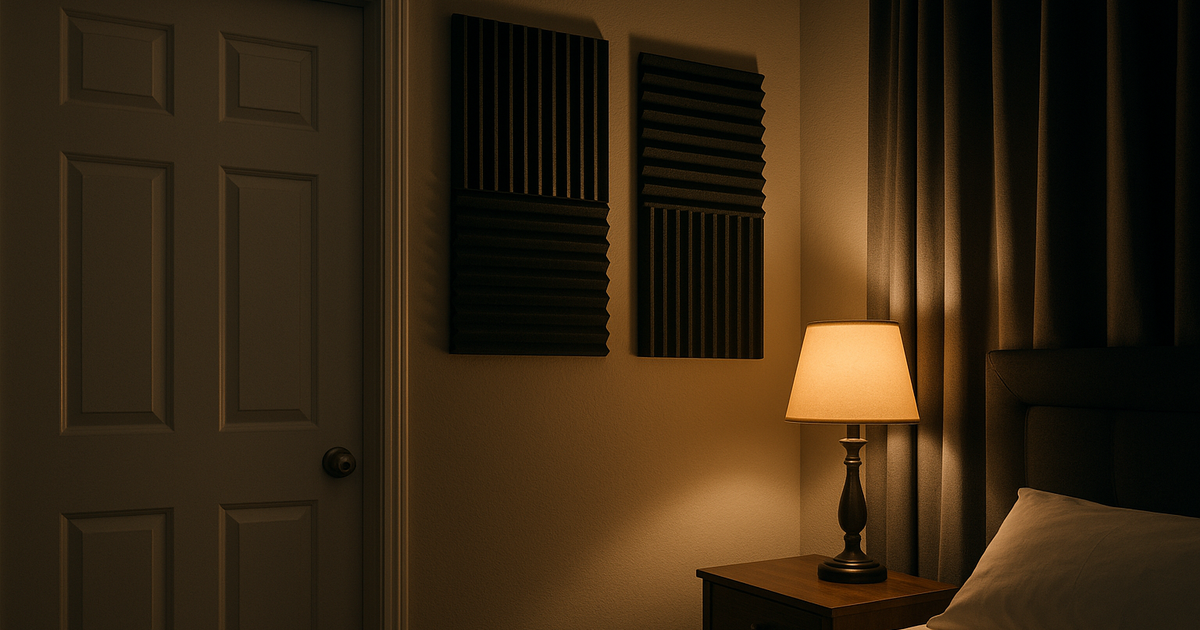
Two bad reviews and I change the process or the gear. That is my rule. A few months ago, on a particularly busy weekend, I had a couple of guests complain about TV noise bleeding over from my side of the duplex. We live right next door, and noise complaints can rapidly result in platform fines, canceled bookings, and listing suspension. Quiet and clean are non-negotiable in small units. I panicked slightly and thought slapping some geometric acoustic panels on the shared bedroom wall would instantly solve the transmission problem. I bought a bulk pack online, assuming it would cut down the echo and add a modern decorative touch to the room at the same time.
How long I used it (timeline + frequency)
I kept those foam squares on the wall for about four months before throwing in the towel. Running an STR operator setup in Las Vegas heat + dust means every single piece of hardware gets tested to its limits. During high-occupancy weeks, the afternoon sun bakes that specific bedroom, and I quickly learned that installing acoustic materials near direct heat sources damages them over time. The adhesive backing started giving up completely. I would walk in on turnover days to find panels face-down on the floor. In STR, the metric is minutes per turnover. Spending five extra minutes re-sticking cheap foam to drywall simply wasn't sustainable for my workflow.
Is it worth it (real gain)
To be blunt, no. Guest comfort is my first KPI, and the basic acoustic panels completely missed the mark. I made a very common host mistake: I treated acoustic panel placement as a visual decision rather than a functional one. I put them exactly where they looked visually balanced above the headboard, not where the sound was actually bouncing. Uneven placement leads to wildly inconsistent sound absorption. Furthermore, guests don’t care about specs—they care about smell and noise. When I tested the empty room myself, anything higher than 70dB from my living room was still incredibly disturbing. If guest comfort and ops both improve, I keep it. Since these just added stress, they had to go.
Pitfalls (hidden costs + friction)
There are a couple of major risks if you go the budget foam route. First, improper placement renders them entirely useless for STRs. Putting panels randomly on one wall rarely helps with actual noise transmission. They are designed to reduce internal reverb and echo inside the room, not to block heavy audio from coming through a shared wall.
Second, they quickly transform into a maintenance liability. Bad maintenance timing hurts reviews. Having a rogue panel unstick and fall on a sleeping guest's head at 2 AM is a genuine nightmare scenario for any operator. Between the desert heat warping them and the dust clinging to the textured foam ridges, keeping them presentable ate right into my strict 120 minutes per week maintenance tolerance.
Long-term changes (30/90/180 days)
I had to sit down and completely rethink my strategy. Identifying the actual noise sources is the first true step in soundproofing a short-term rental. Once I spent time in the unit and realized the sound was largely coming underneath the connecting door and through the primary windows, I changed tactics. I replaced the cheap hollow-core connecting door with a heavy, solid-core version. The areas around doors, if improperly sealed, are the perfect channel for noise to enter and exit. I also hung dense soundproof curtains over the main windows, which effectively block 60-80% of exterior sound. This targeted approach finally worked.
Who this is not for (clear boundary)
These basic panel kits are absolutely not for hosts dealing with structural noise, loud traffic, or paper-thin shared walls. If your primary issue is sound transmission rather than a slight interior room echo, foam will not save your review score. I optimize for repeatable service quality. Relying on an incomplete, visually-driven acoustic plan will just waste your operating budget and leave your guests irritated. Promising with limits, perhaps, but skip the foam if you want reliable silence.
Alternatives (safer options)
If it risks reviews, I replace it. Instead of foam, look into physical barriers first. Swapping to a solid-core door ate into my joint CapEx threshold of ~USD 850, but it fundamentally changed the room's privacy level. Adding a heavy door sweep and commercial weather stripping significantly blocks hallway and ambient noise from slipping underneath.
For internal ambient control, I highly recommend white noise solutions. Devices like MODIO introduce a continuous, soothing background sound that guests can actively control. Up to 90% of hosts claim minor noise issues are fully resolved when guests have access to proper background audio masking.
One-line verdict (would I buy again?)
Coming soon.
Related navigation: Marta persona channel, audio-noise-control cluster, nighttime-quiet-needs scenario.