I Tracked Air Purifier Filter Costs for a Month, and the Results Changed How We Handle Pet Hair
With two pets in the house, throwing money at expensive air purifiers is a mistake if you ignore the replacement filters. You don't need a $700 unit; you need a strategic approach to pet hair and active carbon before your machine chokes on fur.
Why I bought it (context + expectation)
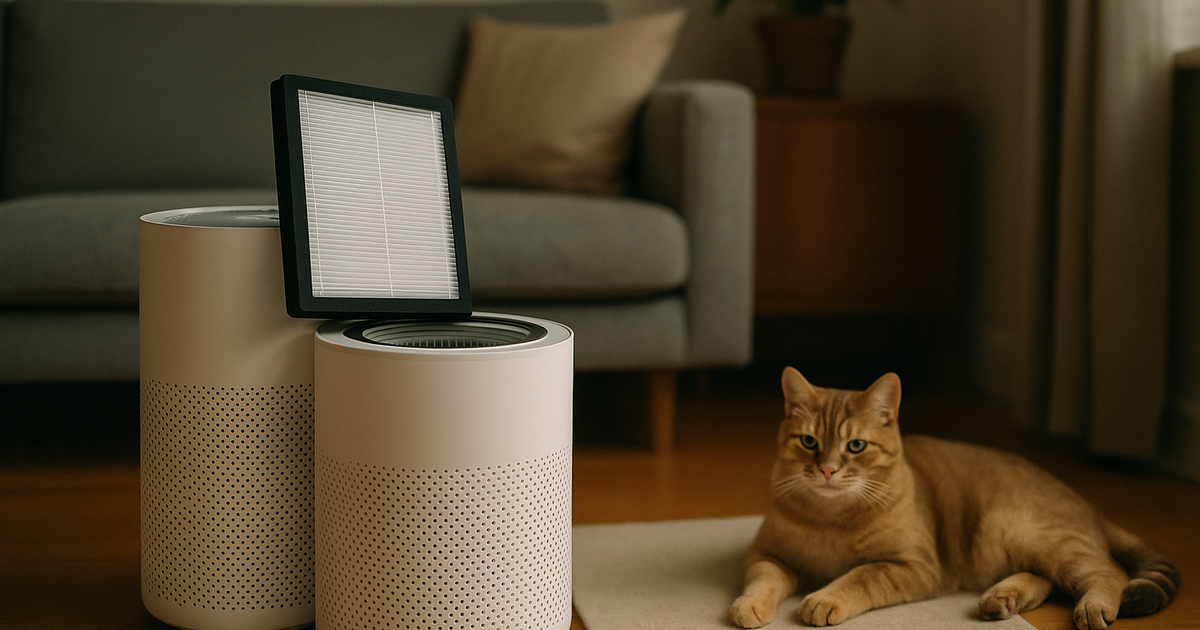
Last Sunday evening, I sat on the living room rug and pulled the front panel off our standard HEPA purifier. A thick, grey mat of cat fur stared back at me. It wasn't just dusty; the intake was completely choked. Fur volume is my stress test. Seeing a $50 filter destroyed in two months by shedding season was a serious wake-up call. Two indoor cats in our Midtown Atlanta apartment — hair and odor are baseline, but bleeding cash to maintain air quality isn't. I needed to figure out if we were buying the wrong machines or just managing our hardware poorly.
How long I used it (timeline + frequency)
I tracked litter + filter cost for a month, comparing what we spent on replacements against actual indoor air quality improvements. I care about odor drift after day three. If the apartment still smells like a litter box by Wednesday, what exactly are we paying for? Rotating through standard units forced me to dig into the specs of models promising heavy-duty odor control. Still validating under shedding season, but the data over the last 12 months is clear: the hardware price is a distraction. The real financial drain is in the paper.
Is it worth it (real gain)
Late Tuesday night, I was reviewing our household budget at the kitchen counter. Spotting a recurring $80 charge for proprietary air filters made me wince. Filter/litter TCO is part of every air/pet decision we make. Most quality units need filter replacements running $20 to over $100 annually. The HEPA standard captures 99.97% of particles, but if cat hair clogs the outer layer first, that expensive inner filter becomes entirely useless. Buying a premium unit without a washable pre-filter to catch the heavy fur load is absolutely not worth the money.
Pitfalls (hidden costs + friction)
There are two massive traps in the air purifier market when you have pets.
First, watch out for chemical shortcuts. Some ionizers and purifiers intentionally emit ozone, which studies show can increase indoor ozone up to six times the outdoor level. Pet-safe and low-noise beats raw power. Ozone isn't even effective at removing odor-causing chemicals at safe levels, and it can actually harm your lungs.
Second is the filter clogging reality. If a unit lacks a dedicated, washable physical pre-filter for hair, your expensive HEPA and carbon layers will suffocate. You'll end up replacing them three times as often.
Long-term changes (30/90/180 days)
Making the switch to units built specifically for hair volume changed our weekend reset. Instead of throwing away a clogged paper filter, I just take the washable pre-filter to the sink, rinse off the dander, and pop it back in. Less hair-wrap equals better mood at home. We also learned that denting the litter box smell requires actual pelleted activated carbon, not just a carbon-dusted sponge. Getting that combination right meant our living space finally stayed neutral throughout the week.
Who this is not for (clear boundary)
If you think you can just plug a box in and never maintain it, none of these machines will work for you. If brush cleanup becomes a Sunday project, I am out, but you do still have to rinse a pre-filter occasionally.
Also, a single unit won't cut it if you have a massive open-concept house. Room size matters significantly; an undersized unit won't adequately clean the air. Match the clean air delivery rate (CADR) to your specific square footage. Finally, if you expect absolute silence at maximum fan speeds, adjust your expectations. Night noise must stay reasonable for neighbors, but moving air always creates some sound.
Alternatives (safer options)
I like it so far, with caveats, but moving away from expensive proprietary traps is the smartest move you can make. The Winix 5500-2 is a practical baseline at around $150, offering washable components and solid performance.
Alternatively, the Levoit Vital 200S is highly practical for our setup. It features a U-shaped air inlet specifically designed to prevent clogging from large amounts of hair, plus that crucial washable pre-filter. Since we have a joint non-urgent cap of ~USD 400, it proves you don't need to max out the budget on a heavy-duty Austin Air unit just to eliminate unwanted smells.
One-line verdict (would I buy again?)
Skip the premium units with expensive proprietary replacements; if it handles fur without drama and has a washable pre-filter, we keep it.
Related navigation: Jason persona channel, climate-air-water cluster, pet-household scenario.