Why I Returned My Plug-In Odor Gadget After Just Five Days
If you live in a sealed-up apartment running cooling 24/7, skip the active chemical odor gadgets. I bought a compact deodorizer to handle a musty corner, but the immediate respiratory irritation and synthetic, lingering smell meant it went straight back in the box.
Why I bought it (context + expectation)
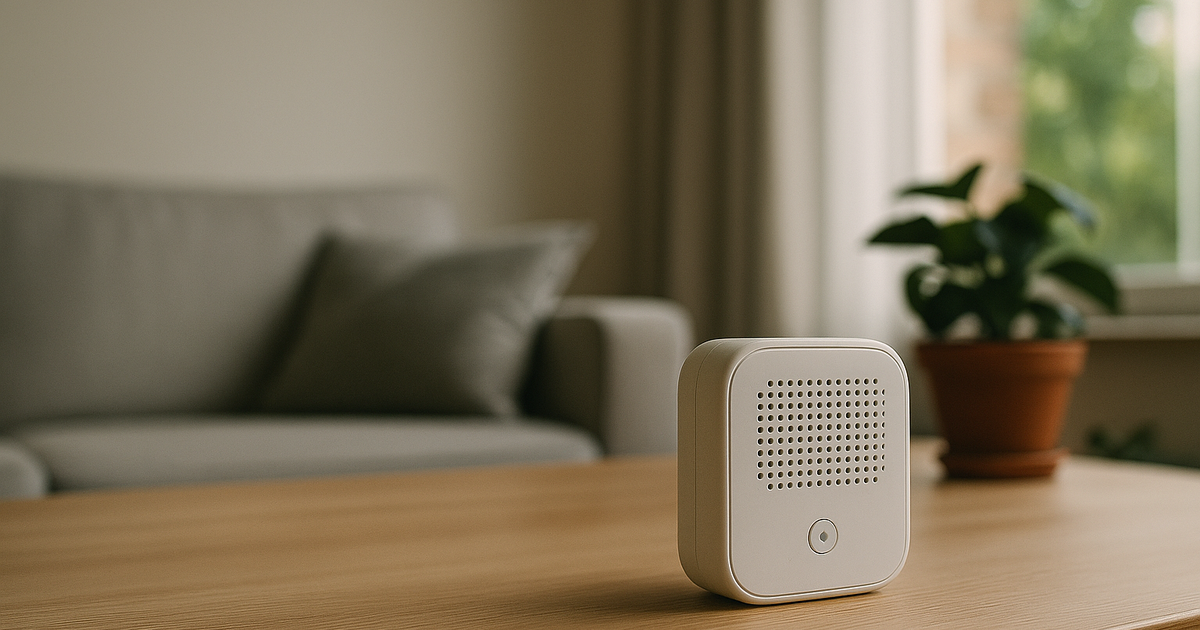
Working remote in Miami, humidity drives everything… Last Tuesday, I unboxed a $45 plug-in deodorizer because a stubborn, damp smell had settled near my desk. My single-person budget cap is ~USD 280 for impulse buys, so this seemed like a cheap, low-stakes experiment. I plugged it into the wall, expecting a subtle neutralizing effect. Instead, within twenty minutes, an overpowering wave of artificial pine hit me so hard my eyes watered. I had hoped it would fix the local air quality without requiring me to overhaul my entire apartment setup, but the immediate chemical density in the room was overwhelming.
How long I used it (timeline + frequency)
By late afternoon in my workspace, I usually catch a temperature drift as the sun hits the glass. On day three of running this gadget, I was doing my standard wipe-down of the desk—it sits right near the windows, so there's a constant condensation risk. My microfiber cloth suddenly dragged across a sticky, oily film covering my monitor base. I realized the gadget's aerosolized spray was just settling onto my electronics. I unplugged the unit right then. Humidity changes behavior faster than specs suggest, and this device was clearly creating a localized chemical cloud that clung to everything in the humid air.
Is it worth it (real gain)
Absolutely not. I pay attention to comfort per dollar, and spending money to artificially taint my breathing air is a terrible trade. I did some digging and realized these active air fresheners often emit VOCs like formaldehyde and acetaldehyde, which irritate the eyes and throat. For someone like me with mild seasonal allergies, pumping synthetic irritants into a closed loop is a fast track to a headache. Early results are solid: simply taking the unit out of the room eliminated the heavy feeling in my sinuses entirely.
Pitfalls (hidden costs + friction)
There are a few massive red lines with these heavily marketed active air gadgets:
* Volatile Organic Compounds (VOCs): These devices are associated with elevated VOC levels indoors, which directly cause headaches and nausea.
* Allergy Triggers: If you have any sensitivities, the artificial fragrances act as respiratory irritants rather than true air purifiers.
* Ozone Risks: Some electronic 'sterilizers' in this category produce ozone, which the EPA warns can lead to adverse health effects, especially in tight, poorly ventilated rooms.
Long-term changes (30/90/180 days)
I started with kWh and filters, not spec sheets. My new approach to apartment odors is strictly subtractive rather than additive. Instead of masking smells, I track my AC filter cadence much more strictly to catch musty odors before they circulate. Good airflow is non-negotiable on workdays, so I now crack the balcony door for ten minutes in the early morning to flush the apartment. I optimize settings around afternoon load to keep the air moving, preventing that stale, trapped feeling from developing in the first place.
Who this is not for (clear boundary)
Do not buy these if you live in a small space with poor passive ventilation. If your Miami humidity + AC always-on context mirrors mine, trapping these chemical emissions inside your living space is a disaster. They are definitely not for anyone prone to migraines, seasonal allergies, or anyone who keeps expensive electronics nearby that could be coated in synthetic residue.
Alternatives (safer options)
Instead of masking the problem, I switched to passive, natural absorbers. I picked up a Moso Natural Air Purifying Bag, which just uses activated bamboo charcoal to pull odors out of the air without emitting a single perfume or chemical. For immediate kitchen smells, I boil a cup of white vinegar on the stove for a few minutes. If running cost spikes, I reconfigure, but both of these solutions are incredibly cheap, require zero electricity, and completely respect the boundaries of my living space.
One-line verdict (would I buy again?)
Skip the chemical-emitting odor gadgets and rely on passive charcoal absorbers, clean AC filters, and natural neutralizers to keep a small apartment fresh.
Related navigation: Omar persona channel, climate-air-water cluster, small-apartment-living scenario.