Why I Stopped Masking Odors and Rebuilt My STR's Air Quality System
If you think an $80 air purifier will magically fix desert dust and turnover odors in a Las Vegas STR, think again. I don't recommend relying on plug-and-play fixes. You need an interconnected system—smart thermostats, door sensors, and HEPA filtration—before HVAC replacement bills wipe out your ROI.
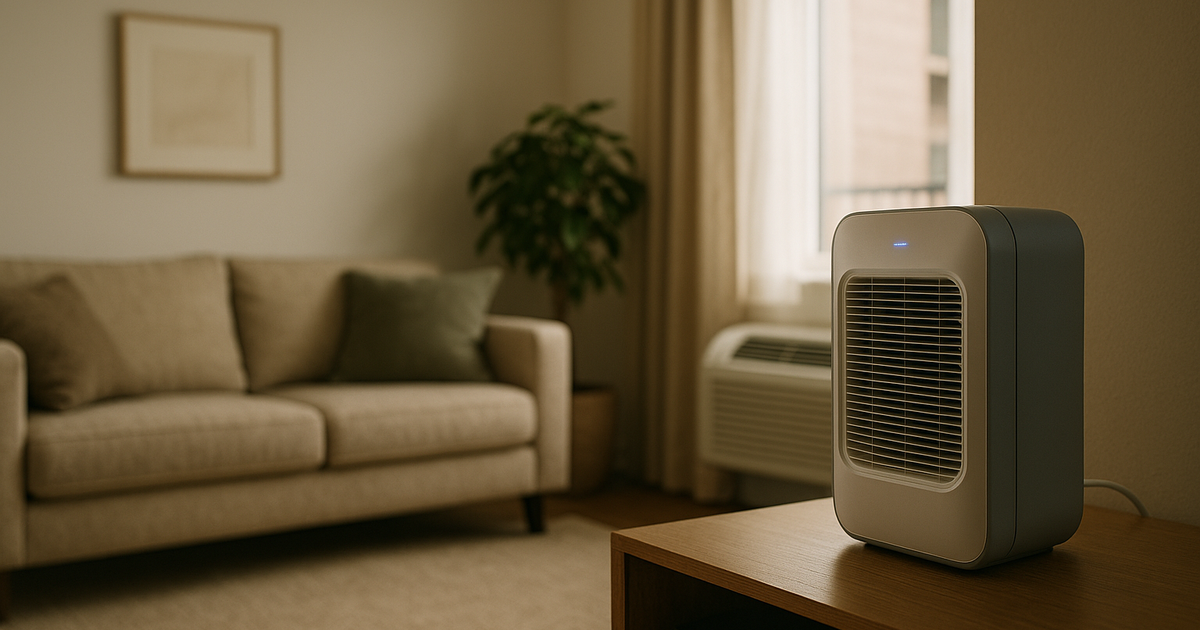
Why I bought it (context + expectation)
In guest-turnover weeks, the desert reminds you who is actually in charge. Last August, I walked into my STR unit at 2 PM to find the front door wide open, a dust storm brewing outside, and the HVAC struggling to hold 68 degrees. Gritty dust had already coated the baseboards, and the fan motor was whining. My heart sank thinking about the $4,000 to $10,000 I’d have to spend if that unit burned out. As an STR operator in Las Vegas, managing heat and dust isn't optional. I needed a way to protect my equipment and keep the air pristine without hovering over my guests. Relying on basic wall controls was no longer viable.
How long I used it (timeline + frequency)
I spent the last year tracking the real bills associated with high-occupancy air quality. Turnover minutes and odor are core KPIs for my duplex, so I scrutinized every variable. Over twelve months, I tested everything from a $69.99 Winix 5500-2 and an $89.99 Levoit Core Series to a fully integrated ecobee Smart Thermostat setup. DIY maintenance became a strict operational routine rather than a suggestion. I started changing air filters every 1 to 3 months, wiping down the indoor PTAC units, and ensuring my outdoor condenser always had two feet of clearance from desert debris.
Is it worth it (real gain)
Is cobbling together this sensor and purification system worth the upfront effort? Yes, but only if you look at the math. A basic HVAC service call out here runs $75 to $200. If you let guests run the system with the windows open, repairs easily pass the $1,000 mark. Adding an ecobee paired with door and window sensors automatically pauses the cooling when guests leave things open. Plus, keeping those HEPA filters clean actually reduces HVAC maintenance costs by 30% or more over the year. Guest comfort is my first KPI, but protecting my margins comes right after. If guest comfort and ops both improve, I keep it.
Pitfalls (hidden costs + friction)
Two bad reviews and I change the process or the gear. During a brutal weekend turnover last spring, I had exactly 45 minutes between a group checking out and a new couple arriving. The previous guests left a heavy, lingering cologne smell. Panicked, I sprayed a commercial synthetic air freshener, which immediately combined with the cologne into a heavy, headache-inducing chemical cloud.
I quickly learned that synthetic fragrances are a massive operational pitfall. Not only do VOCs (volatile organic compounds) contaminate the air, but they also trigger asthma and allergies in sensitive guests. Quiet and clean are non-negotiable in small units. Sending a guest to the pharmacy for allergy meds is a guaranteed one-star rating. I had to pivot to natural alternatives like baking soda, vinegar, and activated charcoal. Another major trap is buying portable ACs with heat functions that rely on inefficient electric-resistance heating instead of true heat pumps. They will spike your utility costs faster than you can reset the breaker. Bad maintenance timing hurts reviews, and unexpected bills hurt the business.
Long-term changes (30/90/180 days)
Over the long haul, my approach to air quality has completely shifted from reaction to prevention. I no longer try to mask scents with plug-ins. Instead, I let HEPA filters in the standalone units trap the fine desert particles down to 0.3 microns while the charcoal absorbs the smells naturally. Integrating door sensors with the smart thermostat permanently stopped the energy bleeding. My joint CapEx threshold is ~USD 850, and building out this sensor-and-purifier network stayed well under budget while preventing catastrophic mechanical failures. I optimize for repeatable service quality.
Who this is not for (clear boundary)
This intensive, system-level approach isn't for hands-off owners who outsource everything to a budget property manager. If you aren't willing to track routine filter changes or monitor your smart thermostat's energy dashboard, this will feel like overwhelming admin work. Furthermore, it won't suit large, sprawling luxury estates where standard ductless mini-splits or PTACs can't cover the square footage effectively. I need tools that survive back-to-back turnovers. If operations strain rises, I simplify fast.
Alternatives (safer options)
If you don't want to invest in a smart thermostat and door sensor network, your fallback is strictly preventative mechanical maintenance. You can stick to high-end standalone air purifiers like the Blueair Blue Pure 411 ($84.99) or Germ Guardian ($80.00) in each room to handle the dust load. Just know that these units won't stop guests from leaving the AC running on high with the patio door open. Guest safety and review stability beat aesthetics, so whatever route you choose, prioritize true HEPA filtration and natural odor absorbers over synthetic sprays.
One-line verdict (would I buy again?)
Skip the cheap air fresheners and invest your budget into a smart thermostat, door sensors, and HEPA filtration to permanently control STR odors and HVAC costs—if it risks reviews, I replace it.
Related navigation: Marta persona channel, climate-air-water cluster, small-apartment-living scenario.