The Hidden Maintenance Cost of High-Protein Meal Prep Gadgets
If your meal prep gear takes longer to clean than your actual training session, throw it out. I evaluated the maintenance cost of high-end prep appliances, and most fail the adherence test. Here is why I stopped buying complex kitchen gadgets for my high-protein meals.
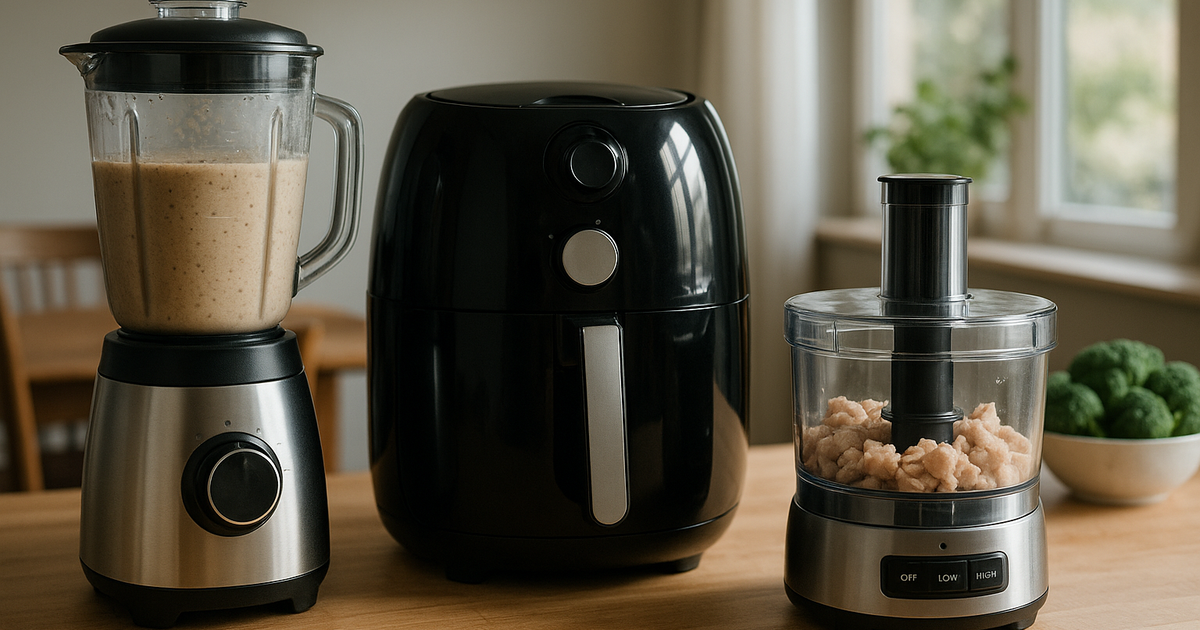
Why I bought it (context + expectation)
In coaching weeks, my schedule is split between early mornings and peak evening hours. Hitting my macros requires serious volume, so high protein meal prep is a weekly reality. I originally bought into the hype of multi-stage cookers and dual-zone fryers under my $380 single-purchase threshold, hoping they would automate the heavy cooking load. My logic was that offloading the cooking phase would free up my evenings.
How long I used it (timeline + frequency)
I ran a trial with this complex prep gear for three full months. Good signal so far on the actual cooking speed during the first few weeks, but the back-end labor quickly became suspicious. Because my schedule is packed, I care about recovery minutes per dollar. My absolute maximum maintenance tolerance per week is 70 minutes for both my kitchen and recovery tools combined. Evaluating the friction of daily use needs longer adherence tracking before I declare any kitchen tool a winner.
Is it worth it (real gain)
It was 8:30 PM on a Sunday in July, and the desert heat was already making my Phoenix apartment kitchen feel like a sauna. I stood there staring at a sink full of twelve different greasy, non-dishwasher-safe components from a "pro" prep gadget. My frustration spiked immediately. Realizing this machine was actively eating into my sleep schedule, I packed the whole unit into a donation box right there.
I rigorously evaluate gear on adherence and cleaning time. If people cannot stick to it, it is not a good tool. No kitchen device that is annoying to clean daily makes the cut in my routine. The supposed time you save on the cooking side is instantly canceled out by the scrubbing. Bottom line: complex multi-appliances are not worth the physical bandwidth.
Pitfalls (hidden costs + friction)
After back-to-back sessions, the last thing you want is a second shift as a dishwasher. There are two major risks when chasing "pro" kitchen gear for meal prep.
First, you face the hidden load of hand-washing proprietary parts. Second, the space tax is brutal. You will read industry articles claiming commercial refrigeration brands like True, Traulsen, and Turbo Air are the most durable options out there. That might be true for a busy restaurant line. In a 1BR apartment, commercial-style gear or massive 8-quart countertop beasts just suffocate your space and demand far too much upkeep.
Long-term changes (30/90/180 days)
Consistency beats intensity over time. Scaling back my kitchen setup actually increased my weekly meal prep volume because the barrier to entry disappeared. When the work is easy to start and finish, it actually gets done.
Recovery quality is part of performance. Spending less time scrubbing weird proprietary plastic baskets means I get more time doing mobility work or just sleeping. I keep routines that survive busy days, and scaling down my kitchen load was a massive upgrade to my weekly rhythm.
Who this is not for (clear boundary)
Last Thursday at 4:30 AM, I needed a quick 50-gram protein meal before my first client. Instead of assembling my old multi-cooker, I grabbed a basic stainless steel pan, cooked the food in six minutes, and rinsed it in ten seconds. The contrast was obvious. Understanding that the fancy gear was actually slowing me down, I committed to keeping my kitchen setup completely bare-bones.
Complex meal prep gadgets are not for anyone who values their time off the clock. Do not buy heavy, multi-part appliances if your daily bandwidth is already maxed out or you live in an apartment. Simple execution wins over fancy protocol.
Alternatives (safer options)
Basic stainless steel pans and standard baking sheets are my entire system now. They are incredibly easy to clean and practically indestructible. A plan is only good if it gets repeated, and a skillet you can throw straight into the dishwasher guarantees repetition.
I combine that with basic glass containers that stack easily. If adherence improves, I keep it.
One-line verdict (would I buy again?)
Stop trading your recovery time for minor kitchen conveniences; if routine compliance drops, I switch.
Related navigation: Lucas persona channel, kitchen-appliances cluster, weekend-cooking-family-meal scenario.